Design for labs, universities and researchers who need to communicate rigorously — to review committees, funders, students and the broader public.
Scientific credibility and visual clarity are not in tension. The best academic design makes complex ideas accessible without simplifying them — it respects both the material and the audience.
From a grant presentation that secures significant funding to a lab website that serves five different audiences, the challenge is always the same: make the rigour visible.
Deliverables
Selected work
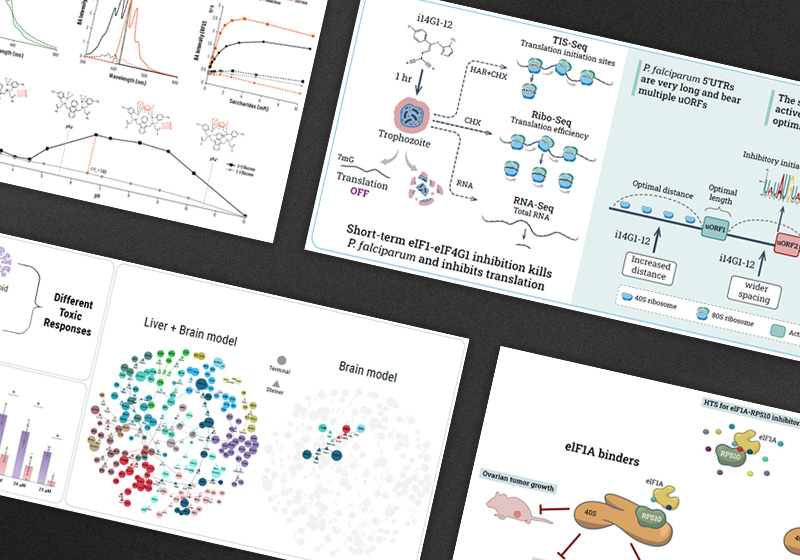
Article Figures
Figures and graphical abstracts for scientific publications
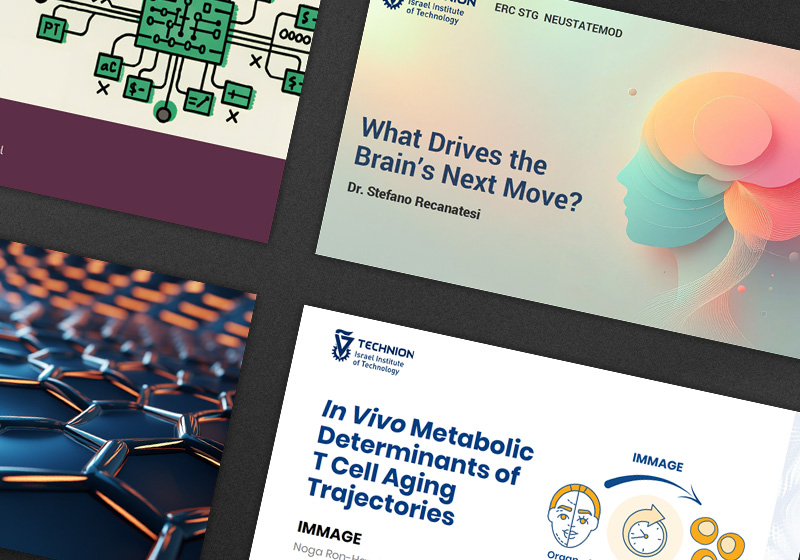
ERC Presentations
ERC grant interview decks for researchers
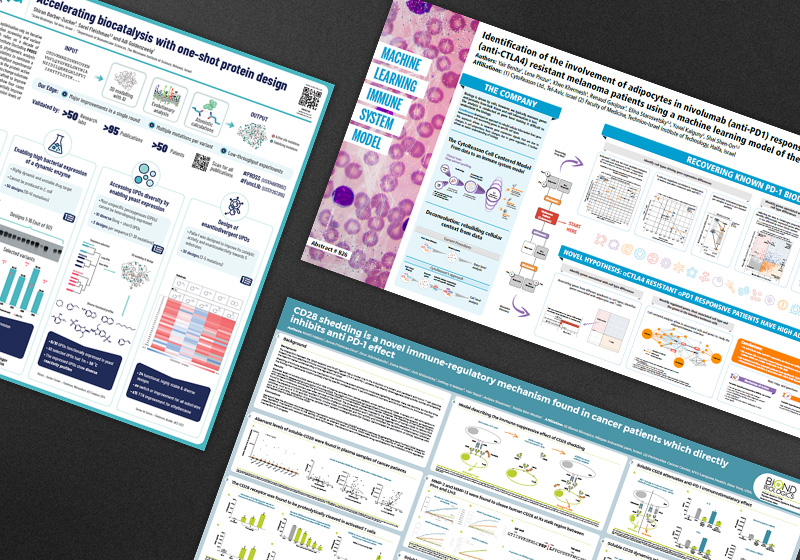
Scientific Posters
Scientific poster design for conventions
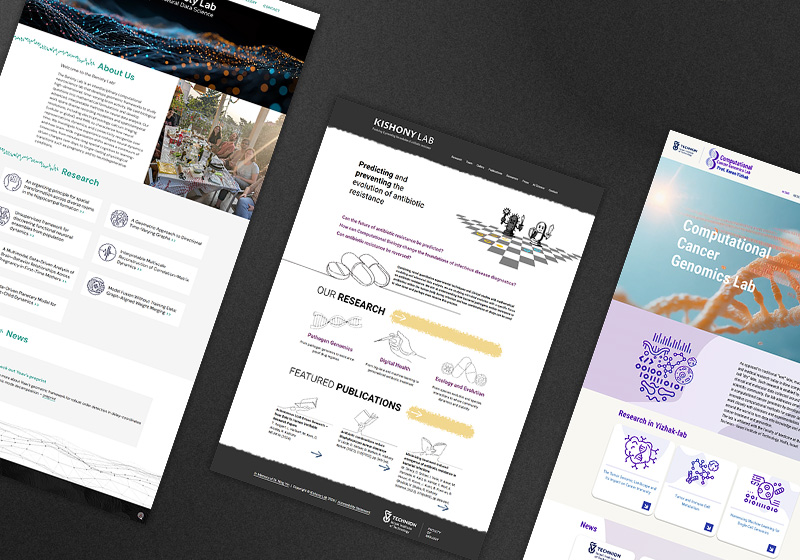
Lab Website
Website design for researcher's labs
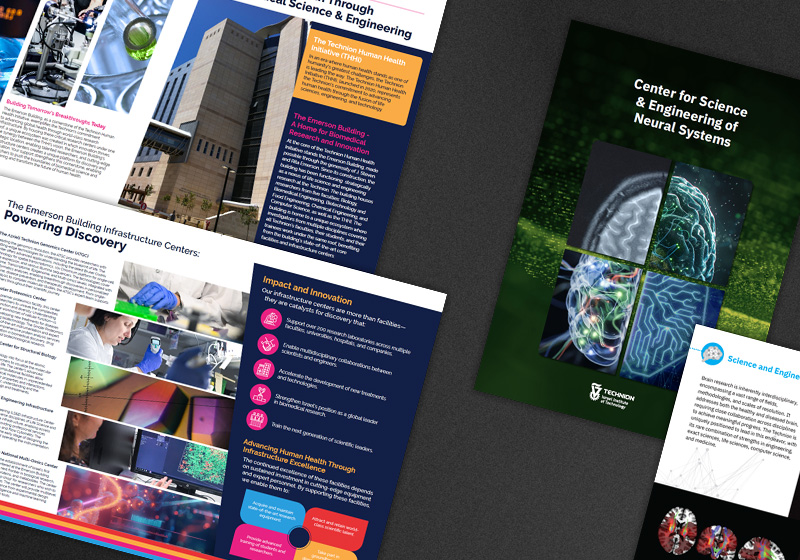
Publications
Academic publications
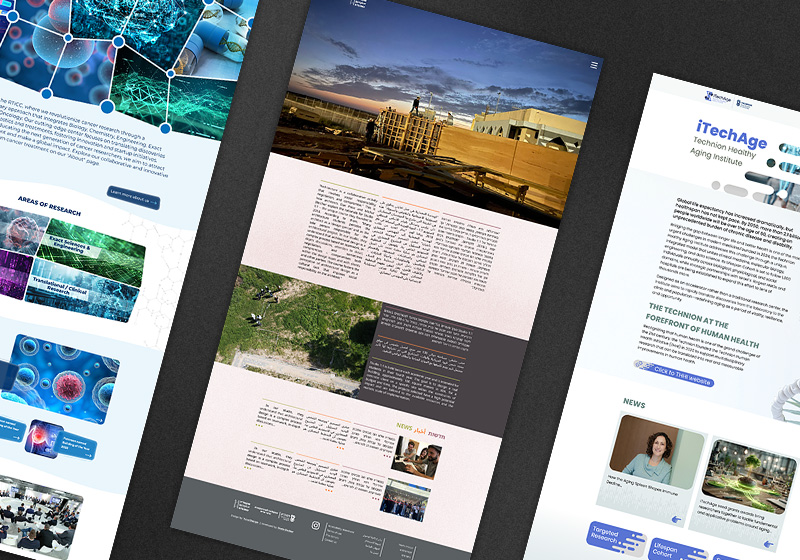
Institution Website
Website design for academic institutions, faculties and units
Approach
01
Academic work is almost always multi-audience. The same material must reach specialist reviewers, institutional funders and a lay public. Structure is designed around that hierarchy from the start.
02
Making science accessible does not mean dumbing it down. The goal is accurate representation at the right level of abstraction — figures, diagrams and narrative that carry the right amount of information.
03
Research design must age well. Lab websites, grant templates and publication systems are built to be updated by internal teams over years — not rebuilt from scratch each cycle.
Who this is for
Principal Investigators
Researchers preparing grant applications who need their science to land clearly with review panels that include non-specialists. Also scientists submitting figures to high-impact journals where visual quality is part of the review.
Research Labs
Lab heads who need a website that serves graduate students, academic peers, funding bodies and the public — each audience at a different depth. Sites are built to be updated by lab members independently.
University Faculties & Units
Departments, centres and interdisciplinary institutes that need a coherent institutional presence online — built to the academy's brand guidelines, or establishing a new visual identity for an emerging unit.
Biotech & Life Science Companies
Early- and growth-stage companies that need scientific figures, conference posters and investor-facing materials that are both rigorous and visually compelling — serving audiences from fellow scientists to non-technical board members.
Academic Communications Teams
University comms offices and development teams producing donor publications, impact reports and fundraising materials for major giving campaigns. Content that must honour the institution's academic standing while being genuinely readable.
Conference & Event Organisers
Scientific conferences, symposia and workshops that need branded presentation templates, poster guidelines and event materials — giving the event a consistent, professional identity across dozens of contributors.
Bring in a designer who has worked across biotech, medicine, engineering and the social sciences. Placeholder — real content to be added.